Enterprise accessibility programme
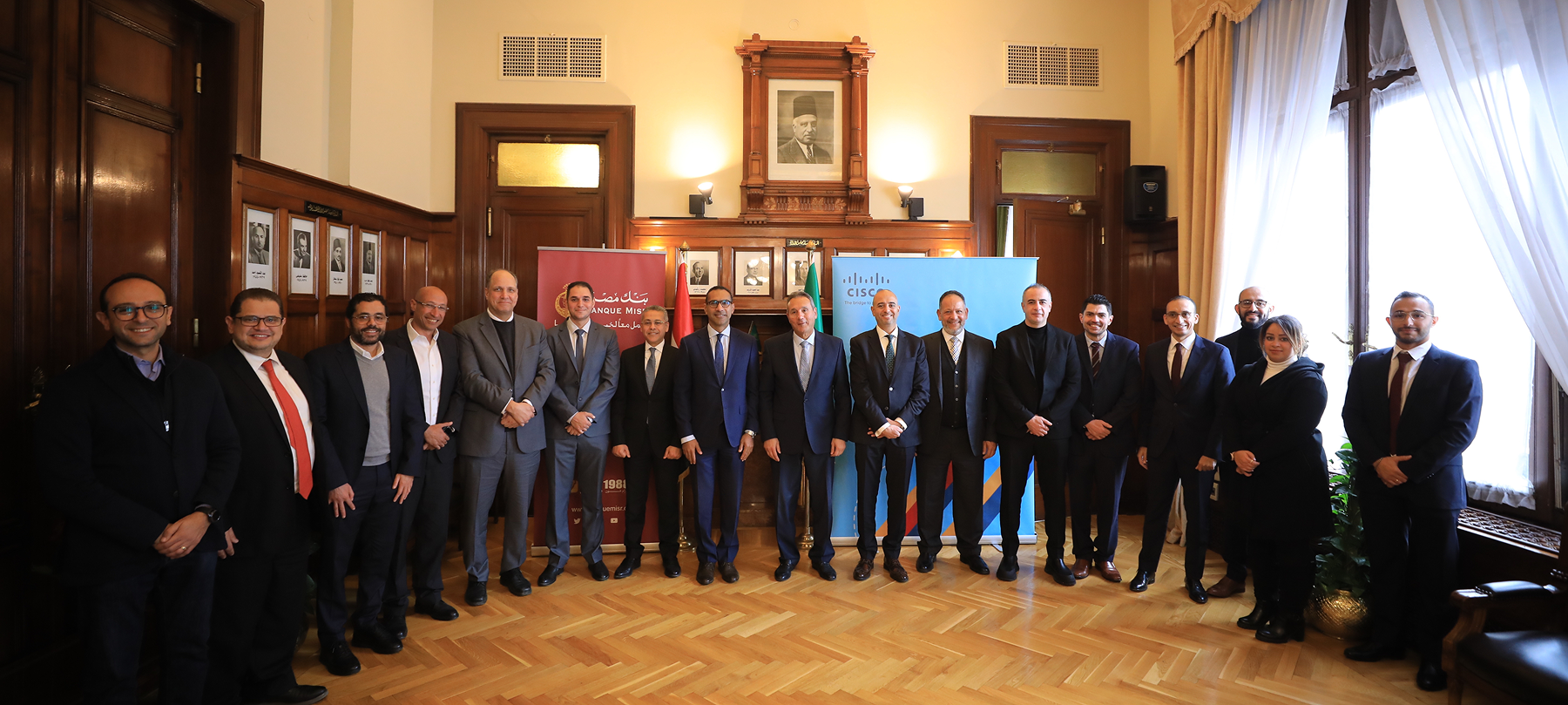
Banque Misr engaged AxessAll to support accessible digital banking for people of determination. A cooperation protocol signed in January 2023, through Cisco, established the collaboration across internet and mobile banking.
The 2023–2024 programme combined assessment, organisational policy and team development. It addressed the bank’s digital products alongside the practices and skills needed to sustain accessibility across future releases.
Programme scope
Assessment
Manual audits of digital products, with assessment plans and a roadmap for reviewing improvements.
Policy and practice
A bank-wide accessibility policy defining commitments and responsibilities, with accessibility integrated into the software development lifecycle.
Capability
Training for the Digital Factory’s developers, designers and quality assurance engineers, tailored to their roles.
These workstreams connected findings with ownership and implementation. Teams received the guidance and skills to apply the programme’s requirements in their day-to-day work.
Client-reported results
- 60%of digital products and services met WCAG 2.2 AA.
- 60%of the bank’s teams trained in digital accessibility.
- 40%fewer accessibility issues reported by customers.
Banque Misr reported these results from the programme, including assessment against WCAG 2.2 Level AA.
The bank committed to continuing audits and training, and the collaboration extended beyond the initial programme.
The client experience

Their expertise and guidance have been invaluable in our journey towards inclusivity. We look forward to continuing our collaboration and providing equal opportunities for all our customers.
Connected banking journeys
Digital banking spans websites, mobile apps, authentication, statements and contracts. Reviewing these connected experiences helps identify barriers that could prevent a customer from completing a task.
The programme connected platform assessments with policy, procurement and development practices. The bank’s announcement highlighted screen reader support and text resizing as part of its commitment to accessible services.
Public coverage
The collaboration was announced publicly by the bank.
Expertise applied
The programme brought together accessibility audits, policy review and development, training and strategy and governance within one coordinated engagement.
Delivery in Arabic and English drew on our Arabic A11y expertise, addressing language, structure and interaction across the bank’s digital services.
Build sustainable accessibility
Tell us about your services, your priorities and the people who use them. We will help you define the right support, agree a clear scope and plan your next steps.
Get in touch